What SB 721 Covers
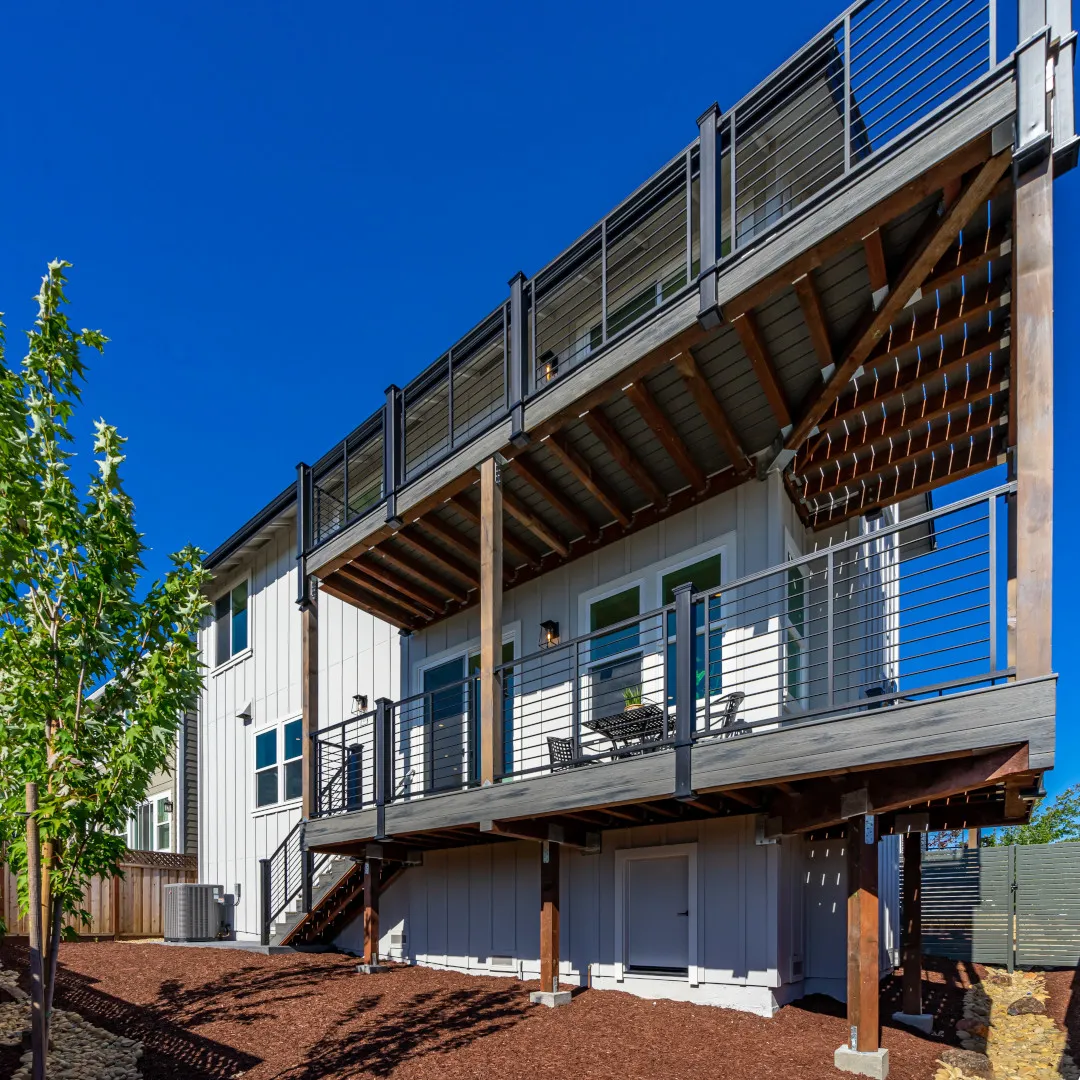
The law applies to exterior elevated elements more than six feet above grade that are supported by wood or wood-based products and designed for human occupancy. The inspector must be a licensed architect, civil or structural engineer, certified building inspector, or qualified general contractor, and must evaluate a statistically significant sample of the elements. The first inspection was due January 1, 2026, and inspections repeat every six years.
Two Kinds Of Findings
An inspection report classifies deficiencies by urgency. Conditions that pose an immediate threat to occupant safety are flagged as emergency findings. Everything else is a non-emergency deficiency that still requires repair.
- Emergency findings. The inspector must notify the owner and the local building department within 15 days. The owner must take immediate action to restrict access to the element and begin emergency repairs. Shoring or closing off a balcony is common.
- Non-emergency findings. The owner must apply for a repair permit within 120 days of receiving the report and complete the repairs within 120 days of the permit being issued, unless the building official grants an extension.
What A Failed Inspection Means For The Owner
The building does not have to be vacated, but the deficient elements cannot stay in service as they are. Missing the repair deadlines allows the local enforcement agency to assess civil penalties, which can run from $100 to $500 per day, and to record a safety lien against the property. Insurance carriers and lenders increasingly ask for the inspection report and proof of repair.
The Repair Process
- Engineered repair plans. Most jurisdictions will not issue a repair permit for structural members from a contractor's sketch. A licensed engineer prepares details for the replacement joists, ledgers, flashing, waterproofing, and guardrail connections, along with calculations where the design changes.
- Permit. The plans are submitted to the building department. Because SB 721 repairs are time-limited, many departments review them on an expedited track.
- Construction and inspection. The contractor performs the work, the city inspects, and the engineer or inspector confirms the repairs match the plans.
- Re-inspection report. The updated report closes out the finding and resets the six-year cycle for those elements. Keep two cycles of reports on file; the law requires it.
Common Causes Of Failure
In our experience, most deficiencies trace back to water: failed deck coatings, missing or reversed flashing at the ledger, and unsealed post bases. Dry rot in the joists follows. Replacing the damaged wood without correcting the waterproofing detail means the same finding six years later, so a good repair plan addresses both.
Pasquini Engineering, Inc. provides SB 721 and SB 326 inspections and prepares engineered repair plans for owners and property managers across California. If your report came back with findings, send it to us and we will outline the scope and the deadlines that apply to your building.
Published Jun 29, 2026 by Pasquini Engineering, Inc. This article is general information, not engineering advice for a specific property.